

Storms can wreck a home in minutes. High winds rip off shingles, hail dents siding, fallen branches punch through roofs. Once the weather clears, most homeowners are left wondering: what now?
If you’ve never filed a storm damage claim before, the process can feel confusing. After working with contractors who’ve helped thousands of homeowners through storm recovery, we’ve seen what works and what causes unnecessary delays.
Here’s what to do (and what to avoid) after storm damage hits your property.

The Dos
1. Contact your insurance company and a trusted contractor right away
Call your insurance company as soon as it’s safe. Then reach out to a local contractor with experience in storm repairs and insurance claims.
Moving quickly helps prevent additional damage — like leaks or structural issues — and gets your claim started. The longer you wait, the more complicated things can get.
Here’s what to do first:
Take videos or photos of the damage before any cleanup
Write down the date and time of the storm
Make temporary repairs if needed (tarps, boards, etc.)
Save receipts for any materials or emergency fixes
Ask your contractor to do a full inspection and document everything with photos. These photos can be shared directly with your adjuster to keep your claim moving.
2. Get everyone on the same page about the damage
Ideally, you, your contractor, and your insurance adjuster should review the damage together. This prevents miscommunication and makes sure nothing gets missed.
Your contractor can point out problem areas, share inspection photos, and explain what needs to be fixed. If an in-person meeting doesn’t work, your contractor can share photo documentation digitally so your adjuster can review everything remotely.
Make sure everyone agrees on:
The full scope of damage
What materials are needed
The timeline for repairs
Clear communication up front prevents disputes later.
3. Review your insurance policy before filing
Take a few minutes to review your homeowner’s policy before you file. Coverage varies depending on the type of storm, the materials affected, and your deductible. Knowing what’s covered helps you set realistic expectations.
Keep a copy of your policy somewhere easy to find. If your adjuster asks questions, you’ll have answers ready. If something’s unclear, call your insurance agent and ask them to explain it.
4. Check your material warranties
Roofs, gutters, siding, and windows often come with manufacturer warranties, but many have time limits on repairs after damage. Waiting too long can void your coverage.
After the inspection, ask your contractor to check what materials were used and whether they’re still under warranty. Sometimes manufacturer warranties can help cover replacement costs, even if you’re already filing an insurance claim.
To protect your warranty:
Schedule inspections and repairs quickly
Keep all receipts and documentation
Use certified installers if the warranty requires it
The Don’ts
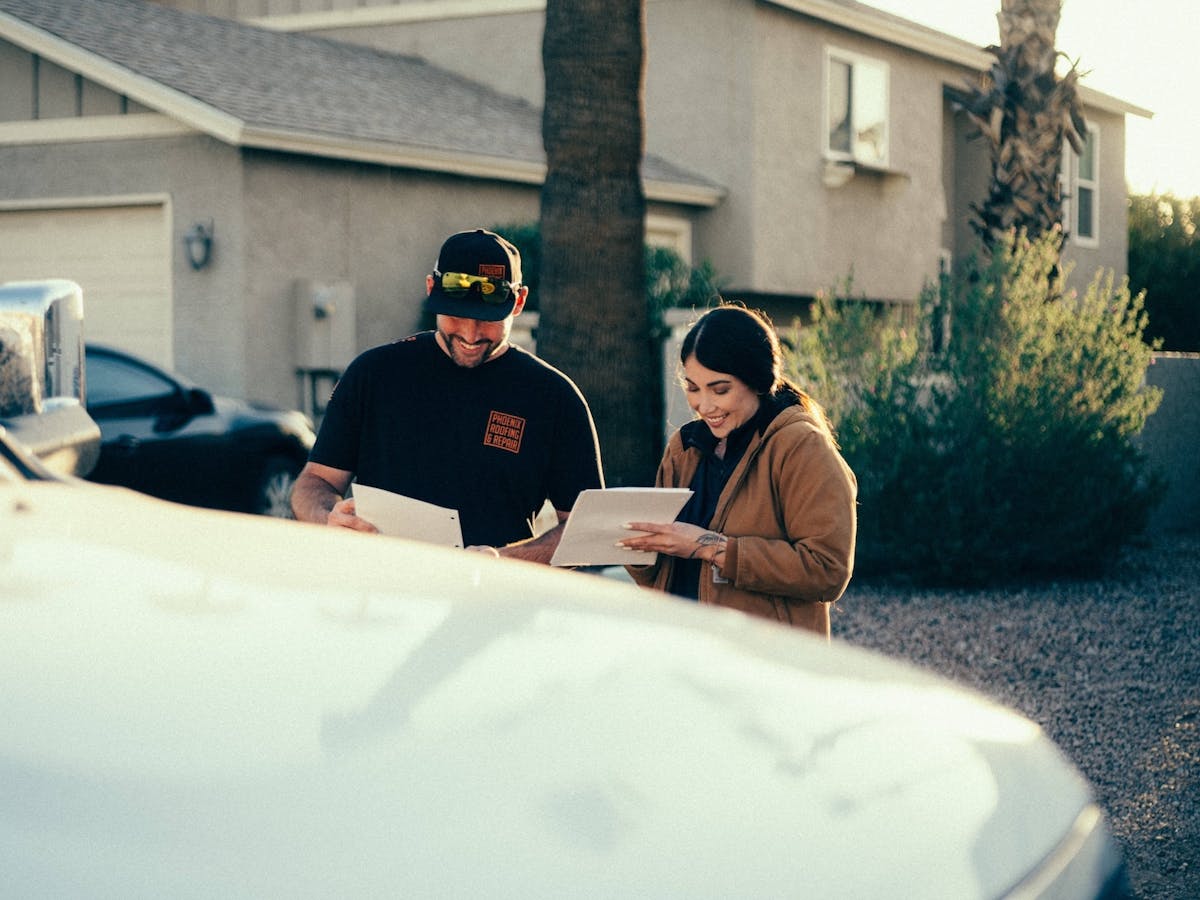
1. Don’t hire the first company that knocks on your door
After major storms, contractors will show up at your door offering quick repairs. Some are legit. Others are “storm chasers” who sign contracts fast and disappear before the work is done.
Take time to do your research. Look for local companies with solid reviews and a track record in your area.
Before signing anything:
Get at least three written estimates
Ask for proof of insurance and licensing
Request references or examples of recent work
Make sure they document their work with photos
A trustworthy contractor will keep you updated and show you exactly what’s happening throughout the job.
2. Don’t accept a lowball insurance offer
If your adjuster’s first offer seems low, don’t feel pressured to accept it. Your contractor should provide detailed measurements, materials lists, and labor costs to back up their estimate.
Compare the two carefully. If there’s a big gap, ask your adjuster to review the documentation again. Many claims get adjusted after more photos or details are provided.
Keep everything organized — photos, receipts, inspection notes, correspondence. Good documentation helps you make your case and get fair compensation.
3. Don’t feel pressured to use the insurance company’s recommended contractor
Your insurance company might suggest a contractor, but you’re not required to use them. These contractors often prioritize the insurer’s budget over the homeowner’s needs.
Hiring your own contractor gives you more control over materials, scheduling, and communication. Local pros care about their reputation and tend to be more responsive when issues come up.
Working directly with someone you trust means you can review documentation, ask questions in real time, and stay informed. You deserve quality repairs that protect your home long-term, not quick fixes that only look good on paper.
What Happens Next
Storm damage is stressful, but the right steps make all the difference. Contact your insurance company, document everything with photos, and partner with a contractor you trust.
With clear communication, solid documentation, and a team that knows how insurance claims work, you can get your home repaired the right way.